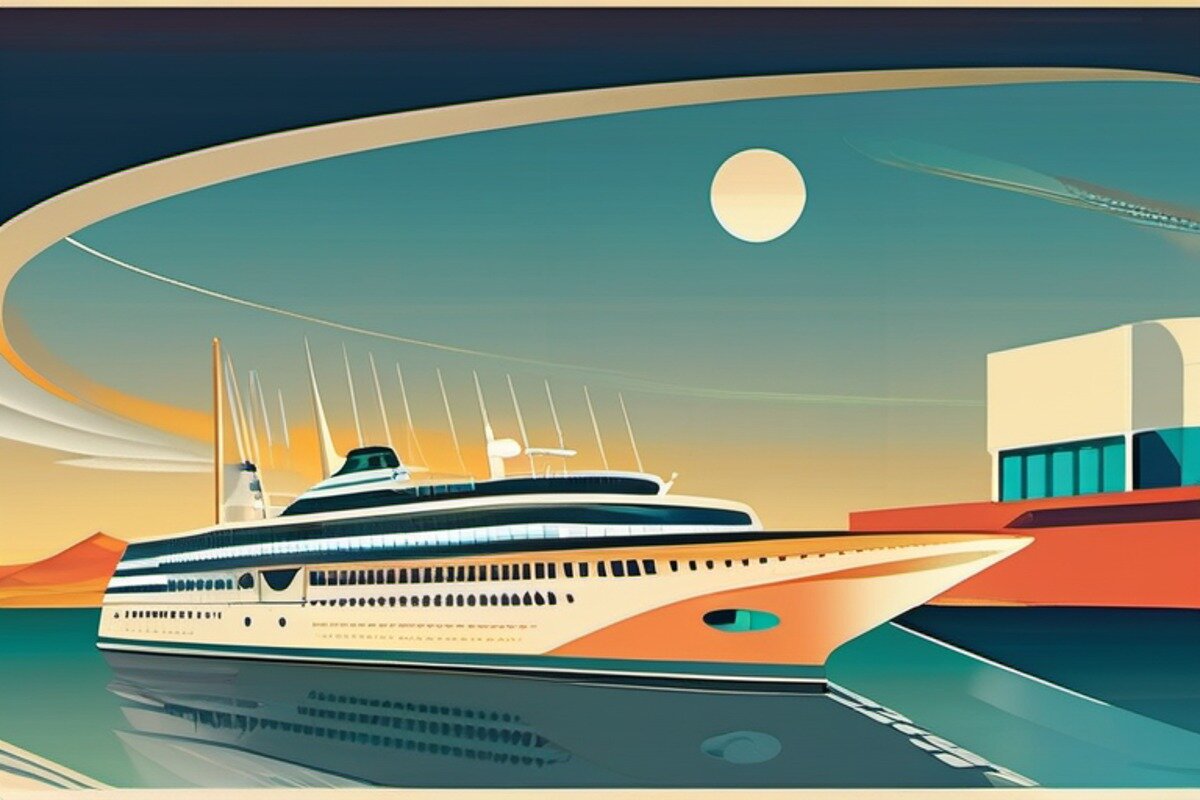
Meyer Werft’s Vision: an all-electric cruise ship concept that could change European cruising
Meyer Werft has unveiled Vision, a concept for what it describes as the first fully battery-powered cruise ship. The idea matters not just because of the emissions cut, but because it points to a different onboard experience as well: quieter decks, fewer vibrations and new design freedom.
What Meyer Werft is proposing
Meyer Werft says Vision is a concept study for the world’s first 100 percent battery-powered cruise ship. On paper, it is not a tiny experimental vessel but a mainstream-sized ship: 88,000 tons, 275 meters in length and room for 1,856 passengers.
The battery system is expected to come from Corvus Energy, and the shipyard says the setup could handle a large share of standard European itineraries.
Why Europe is the natural testing ground
One example Meyer Werft gives is the route between Barcelona and Civitavecchia near Rome. That is the sort of cruise corridor where distances, port infrastructure and regular scheduling make electrification easier to imagine than on long ocean crossings.
The yard also points to a wider industry shift: around 100 European ports are expected to have the required charging infrastructure in place by 2030.
The emissions argument
Tim Krug from the Meyer Werft Concept Development Group said the company wants to use innovation to cut carbon dioxide far sooner than some long-range decarbonization timelines suggest. According to him, the concept could enable greenhouse-gas reductions of up to 95 percent.
That number is exactly why the project will be watched closely. If the assumptions stand up in practice, the cruise sector gets a far more concrete pathway than vague promises about a greener future.
How soon could it happen
Thomas Weigend, Meyer Werft’s chief sales officer, says the core technology is already available. In his view, if an order were placed this year, the first ship could be delivered in 2031.
That does not mean every cruise line will rush in tomorrow. But it does suggest the conversation has moved from science-fiction styling to actual commercial timelines.
What changes on board
Project Vision is not only about propulsion. Meyer Werft says a battery-first layout opens new architectural possibilities. If there is no conventional exhaust-treatment shaft and no traditional funnel occupying part of the upper decks, designers can free up sightlines and create more open sun-deck space.
The removal of main engines could also make the onboard atmosphere more comfortable. Less engine noise and less vibration may sound like technical details, but for passengers they translate into calmer cabins, quieter lounges and a more polished premium feel.
Practical takeaway
For now, Vision remains a concept rather than a booked ship. But it is the kind of concept worth paying attention to because it connects three things travelers increasingly care about: lower emissions, quieter travel and smarter ship design.
Meyer Werft also says the platform could be adapted into hybrid ships with small generators for transatlantic crossings, which means the idea may be flexible enough to move beyond short- and mid-range Europe over time.