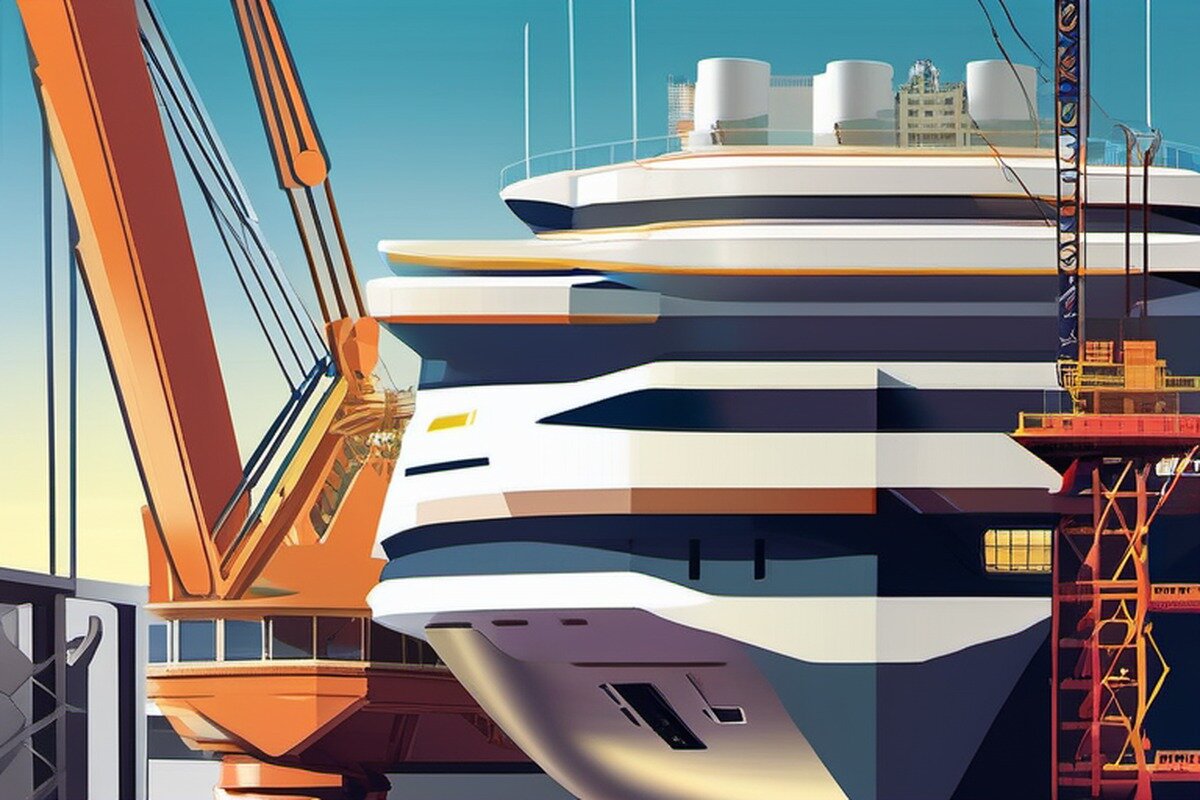
MSC and Meyer Werft’s “New Frontier” talks show the next cruise building cycle is already forming
MSC Cruises and Meyer Werft say negotiations are advanced for four next-generation ships plus two options, with deliveries expected annually from 2030 if the contracts close. The update matters because it points to shipyard capacity, fleet scale and the next phase of large-ship design beyond the current orderbook.
The next decade of cruise construction is taking shape now
Cruise ship news often focuses on vessels entering service this year, but the most important industry signals sometimes sit farther out. Cruise Industry News reported on June 26, 2026 that MSC Cruises and Meyer Werft expect to conclude negotiations in the coming weeks for four next-generation cruise ships and two additional options.
The project already has a name
The proposed class is called “New Frontier,” following a letter of intent announced in December 2025. That naming matters because it suggests this is not simply another routine repeat order. MSC and the shipyard are framing the program as a new design step, with contract work complex enough to require months of negotiation.
Shipyard capacity is part of the story
For Meyer Werft, a confirmed four-plus-two agreement would secure major work well into the next decade. Large cruise vessels are not built quickly or casually. They require design teams, supplier networks, cabin production, hotel systems, propulsion planning and years of drydock scheduling. A deal of this size is as much an industrial commitment as a cruise brand announcement.
The proposed ships are very large
The vessels are expected to be about 180,000 tons with a maximum passenger capacity of roughly 5,400, with annual deliveries planned from 2030 if the final contracts are signed. That places the project firmly in the large resort-ship category, where onboard neighborhoods, entertainment density, energy systems and crowd flow become central design questions.
MSC is betting beyond today’s demand cycle
Ordering ships for 2030 and beyond means taking a view on long-term demand, not only next summer’s bookings. MSC has grown into one of the most aggressive global cruise brands, and a new class would help it keep pressure on competitors in Europe, North America and emerging markets.
The timing is not accidental
Cruise lines are balancing strong booking demand with pressure from fuel costs, emissions rules, port limits and guest expectations. A future ship class has to answer all of those at once. It must be large enough to earn money, efficient enough to operate responsibly and flexible enough to work across several markets.
Passengers may feel the result through design
Most travelers do not follow shipyard negotiations, but they eventually notice the consequences. New classes influence cabin mix, family facilities, dining variety, suite areas, entertainment venues, outdoor space and how crowded a ship feels on sea days. The contract table is where many of those future vacation choices begin.
The wider signal
The MSC and Meyer Werft update shows that cruise growth has not paused at the end of the current newbuild wave. The industry is already planning the hardware of the 2030s. If the agreement closes, the “New Frontier” class will become one of the clearest signs that large-ship cruising is still being designed for expansion, not retreat.