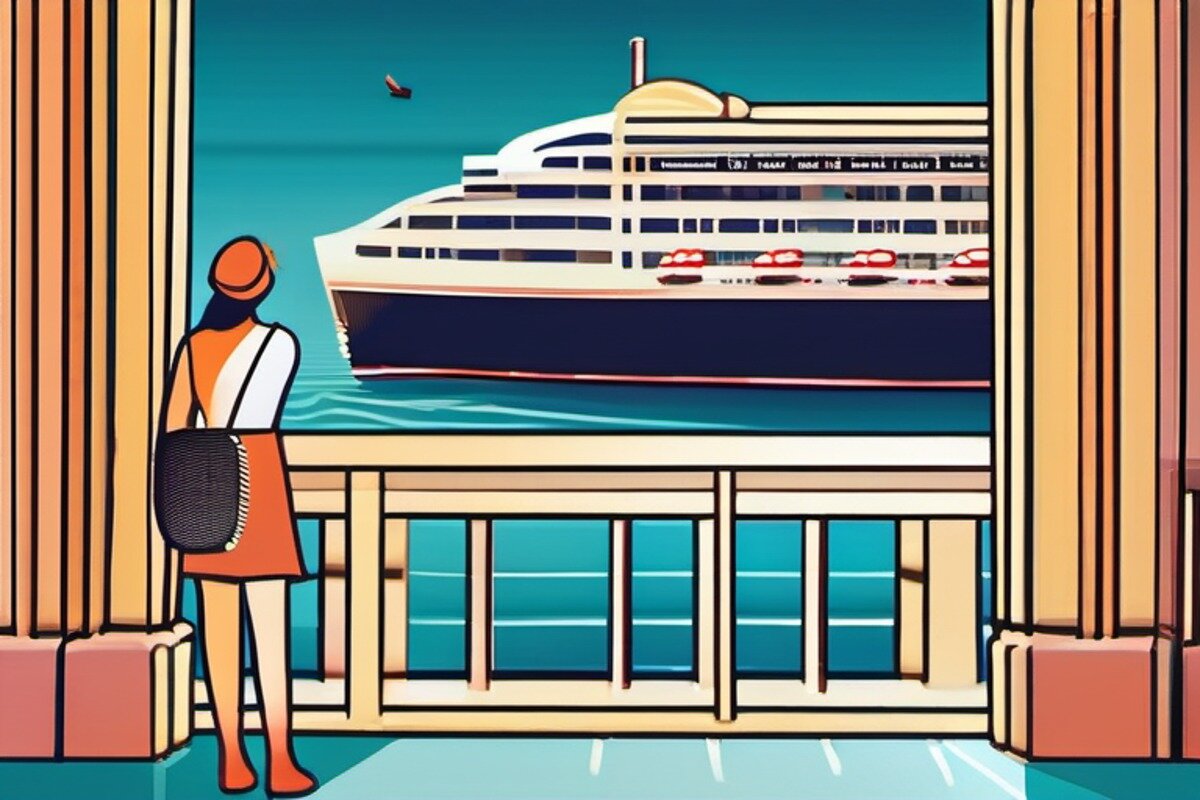
Why some travelers still feel the ship moving after a cruise
That odd rocking feeling after disembarkation is real for some passengers. It usually fades within hours or days, and it comes from the body readjusting after adapting to motion at sea.
One of cruising’s strangest after-effects happens on land
Some passengers step off a ship feeling perfectly fine, only to notice later that the floor seems to sway, the bed feels as if it is rocking or their balance seems subtly off. Cruisers often call it land sickness, sea legs or post-cruise rocking. The medical term most often associated with the sensation is Mal de débarquement syndrome, usually shortened to MdDS.
The body has adapted to motion, then suddenly loses it
While you are on board, your inner ear and brain keep adjusting to the ship’s constant movement, even when that movement feels minimal. Engines hum, waves shift the hull and wind changes the ship’s motion. After several days or weeks, the body begins to treat that moving environment as normal. Once the cruise ends, the movement disappears immediately, but the brain can take a little time to catch up.
You do not need to have been seasick to feel it later
This is one of the most confusing parts for travelers. Seasickness and post-cruise rocking are not the same problem. A person can feel completely stable during the voyage and still notice odd movement sensations after getting home. The issue is not nausea. It is readjustment.
Some sailings make it more noticeable
Longer voyages can increase the effect because the body has more time to adapt. Repositioning cruises, world-cruise segments, transatlantic or transpacific crossings and rough-weather sailings often get mentioned more often in these stories. Smaller ships, expedition vessels and yachts may also create more noticeable motion than the biggest modern liners.
Modern ships reduce motion, but they do not erase adaptation
Today’s cruise ships use stabilisers and sheer size to soften movement dramatically. Many passengers barely notice motion while eating dinner or walking the decks. Even so, subtle motion over time can still train the body. That is why a traveler may be surprised to feel off-balance later despite having thought the ship was almost perfectly still during the trip.
How long it usually lasts
For most people, the sensation fades within a few hours or a couple of days as the body settles back onto dry land. Longer-lasting symptoms are much rarer and belong in the category of medical advice rather than cruise trivia. The reassuring point for most passengers is that a short spell of weirdness after disembarkation is usually temporary.
What may help
Practical advice is simple: walk outside, get fresh air, stay hydrated, rest and do not panic if the sensation is mild. Some travelers say being in motion again — for example in a car or train — can temporarily feel easier because the brain is still expecting movement. If symptoms are severe or persistent, though, that is the moment to stop treating it as a cruise quirk and seek medical guidance.
The useful takeaway
Feeling a phantom sway after a cruise can be unsettling if you do not know what it is. Once you understand that the body is simply re-tuning from sea motion back to solid ground, the experience becomes less alarming. It is an odd little reminder that even a smooth modern cruise still teaches the body to live at sea for a while.