
在迪士尼游轮 24 小时预订中断期间,请在等待宽限期之前保存好证明
迪士尼游轮公司计划从 2026 年 7 月 9 日东部时间凌晨 4:00 到 7 月 10 日东部时间凌晨 4:00 期间预订系统 24 小时中断。在中断期间需要支付押金或尾款的乘客可以在美国东部时间 7 月 11 日晚上 10:00 之前预订,但旅客应记录截止日期并尽早处理紧急任务。
迪士尼游轮公司计划从 2026 年 7 月 9 日东部时间凌晨 4:00 到 7 月 10 日东部时间凌晨 4:00 期间预订系统 24 小时中断。在中断期间需要支付押金或尾款的乘客可以在美国东部时间 7 月 11 日晚上 10:00 之前预订,但旅客应记录截止日期并尽早处理紧急任务。
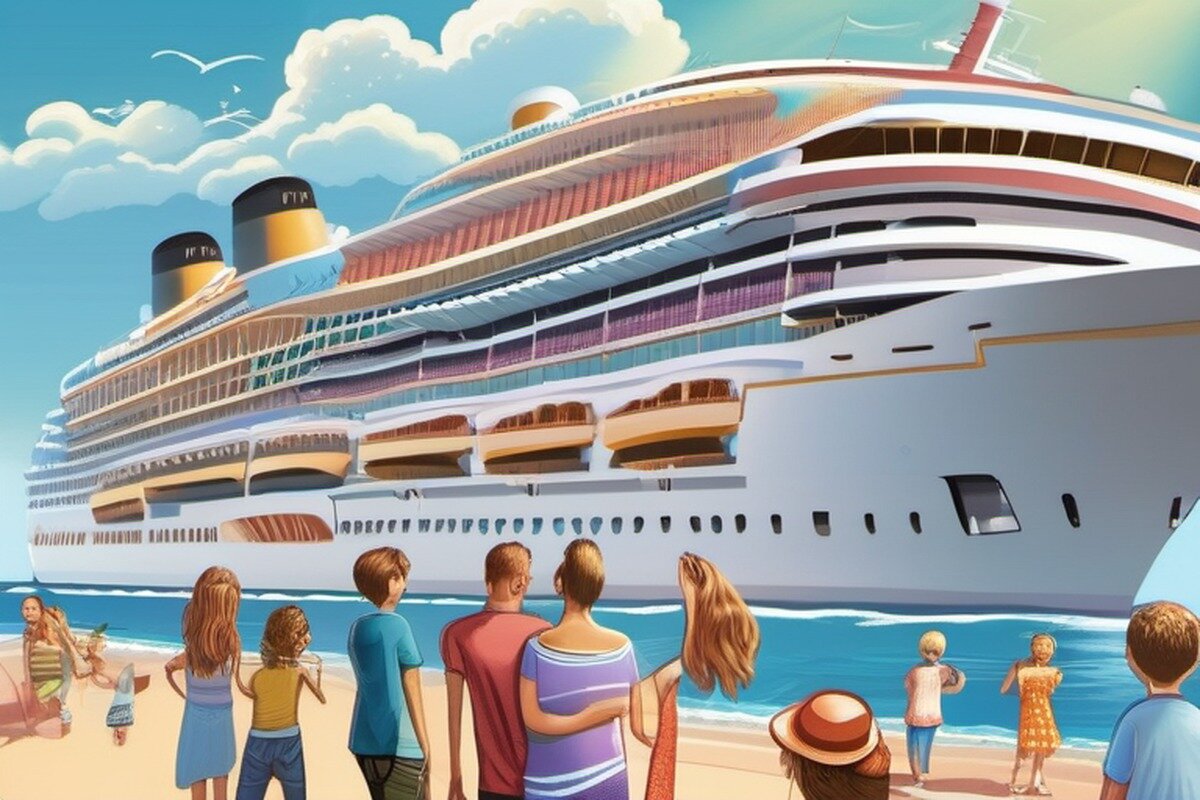
皇家加勒比游轮“海洋传奇”号从迈耶图尔库交付后,于 2026 年 7 月 4 日开始了其首次西地中海航行。从奇维塔韦基亚出发的七晚行程包括拉斯佩齐亚、马赛、巴塞罗那和马略卡岛帕尔马,为 Icon 级度假船创造了非常欧洲的考验。

MSC 邮轮在 MSC Poesia 首个阿拉斯加航季期间在西雅图推出了数字远程值机服务。使用官方机场接送服务的客人可以在到达航站楼之前在西雅图-塔科马国际机场完成邮轮登记,这是一个小的运营变化,但为未来登船提供了更大的信号。
由于推进系统维护,挪威邮轮公司调整了诺唯真极乐号 2026 年 7 月 11 日的行程,并为每个客舱提供 100 美元的不可退还船上积分。客人应记录通知、核实旅行退款并重新计算任何独立计划。
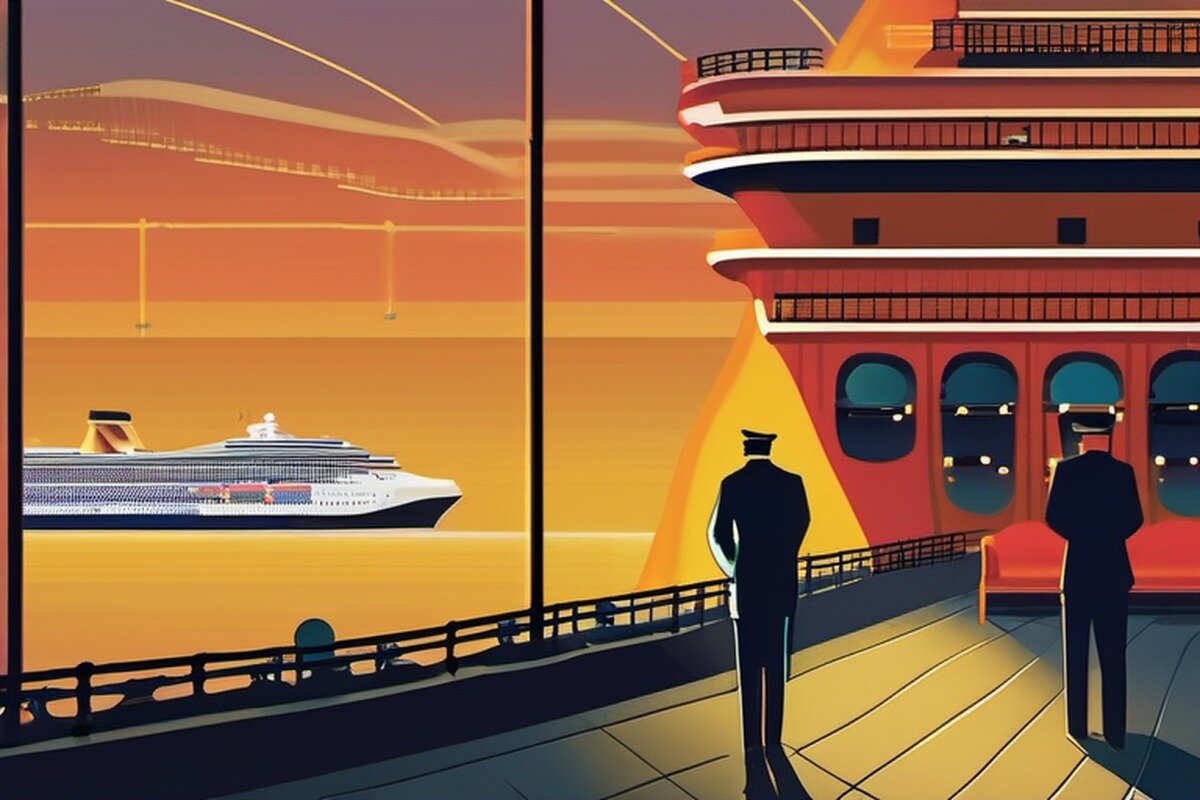
作为 AIDA“造船厂体验”巡游的一部分,AIDAmar 在鹿特丹干船坞中度过了近 24 小时,船上的客人仍在船上。这次不同寻常的航行展示了邮轮生活如何将幕后海上行动变成度假故事的一部分。
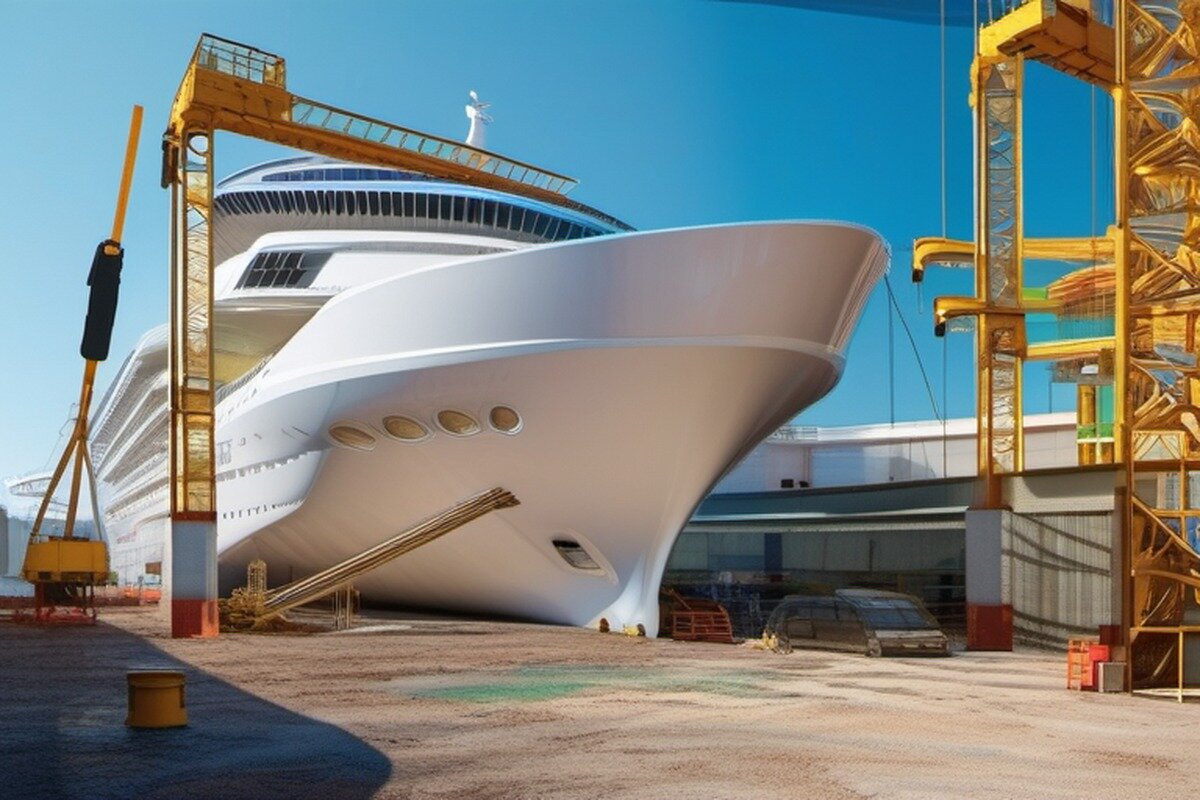
Fincantieri 表示,Marc-Henry Cruise Holdings 已订购第三艘四季游艇,将于 2031 年交付。该订单很重要,因为四季不再只是测试海上招待理念;它还致力于测试海上酒店的理念。它正在建造一个多船超豪华平台。
Celestyal 在 Celestyal Discovery 上增加了西地中海航线,包括 14 晚的西班牙、葡萄牙和摩洛哥航线,也可以分为 7 晚的航程。实际价值取决于过夜住宿、鲜为人知的通话以及包含的餐食、软饮料、Wi-Fi、港口费和小费是否符合您的旅行方式。
TUI Cruises 将于 2027 年 5 月 6 日至 11 日在 Mein Schiff 2 上运营“Schlagerliner 5”,在鹿特丹和多佛举办德国流行表演、卡拉 OK 派对、签名会和通话活动。此次航行表明,当船舶成为共享的社交空间而不仅仅是一个场所时,主题游轮为何效果最佳。
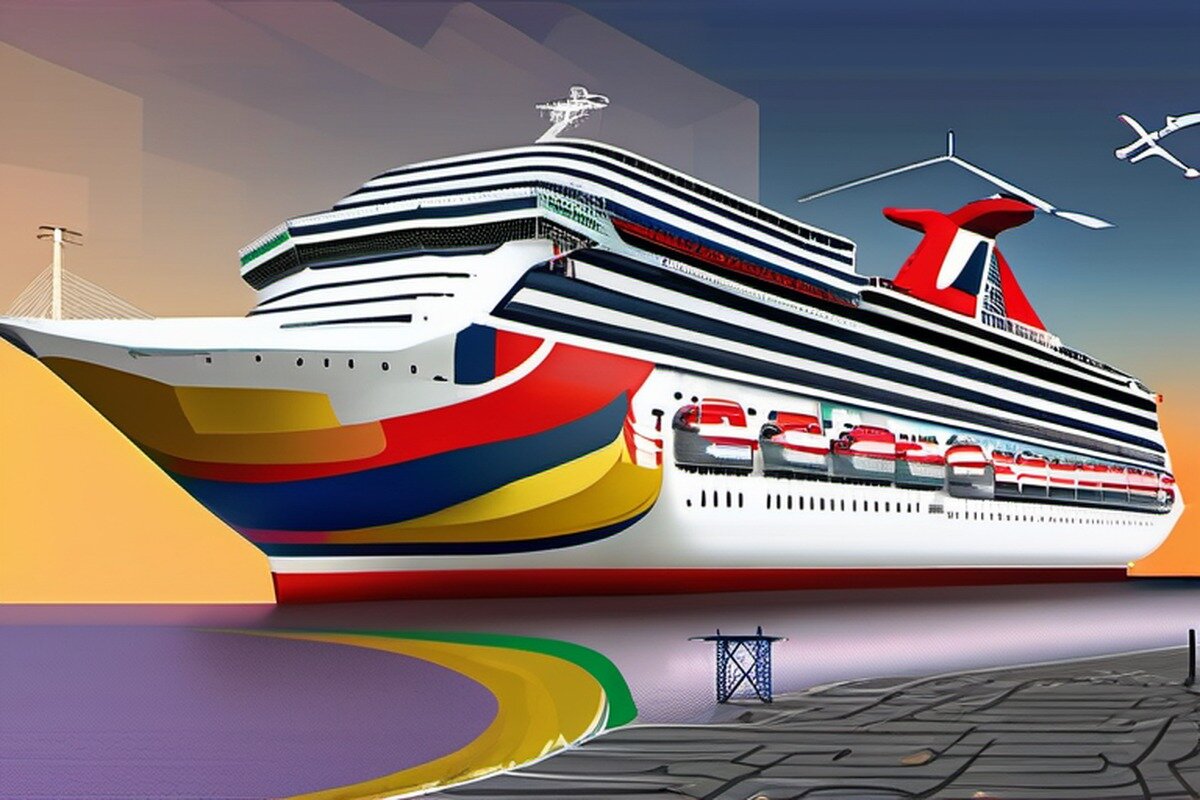
Cruise Fever 报道称,嘉年华邮轮公司预计将于本月开始建造第一艘 Project Ace 邮轮,该新级别邮轮计划总吨位约为 230,000 吨。此举很重要,因为嘉年华从未运营过超过20万吨的邮轮,尽管它在几十年前就开创了10万吨级现代邮轮的里程碑。
由于 2027 年 8 月的干船坞时间表发生变化,嘉年华取消了嘉年华光辉号于 2027 年 9 月 1 日从新加坡到悉尼的重新定位游轮。受影响的旅行者应将邮轮选择与航班、酒店、签证、保险和不可退款的独立计划进行比较。
大洋洲邮轮公司 (Oceania Cruises) 推出了 2027 年特色邮轮,围绕美食、文化和宾客接待,包括与厨师、旅行名人和公司领导一起航行。这个想法之所以有效,是因为主人可以将港口丰富的游轮变成一次共享对话,而不是一系列停靠点。
那不勒斯港已为 Sun Princess 完成了首个液化天然气船对船加注作业,Axpo、Bureau Veritas Marine & Offshore 和 Studio Benvenuto 参与其中。这一里程碑意义重大,因为清洁燃料游轮需要能够安全、定期支持它们的港口。