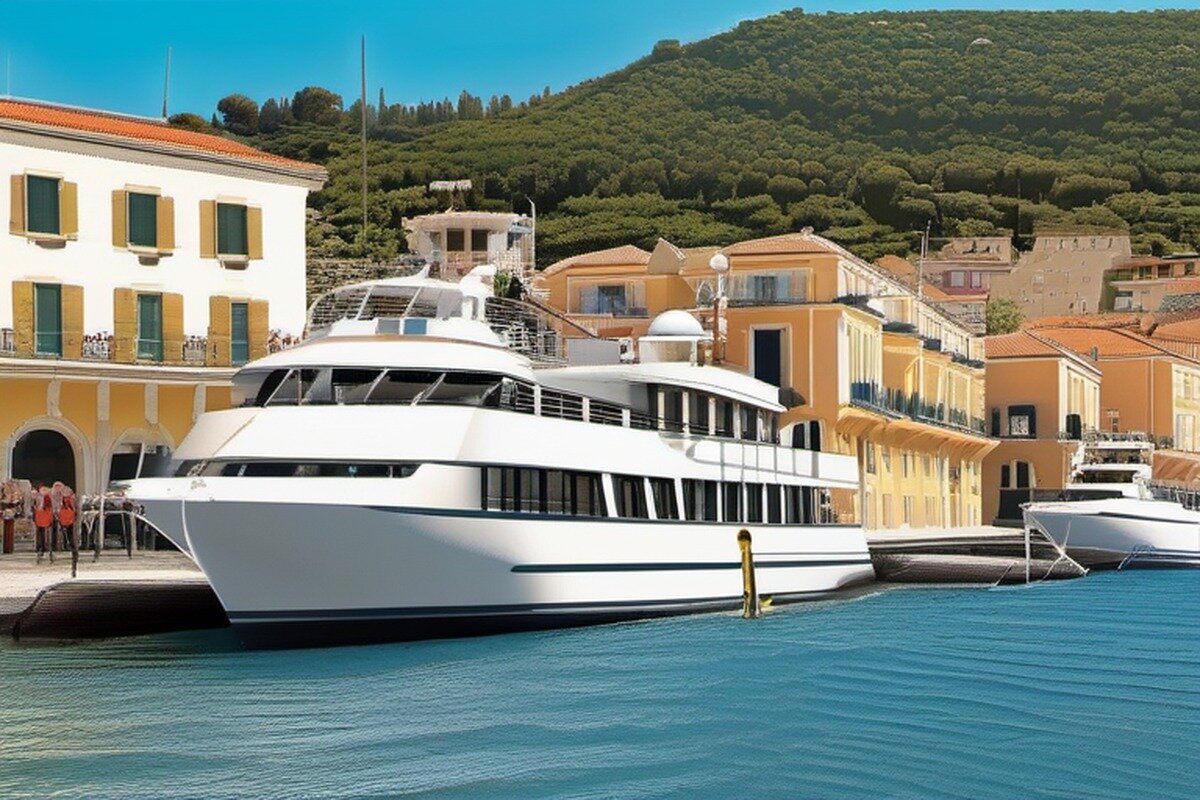
Corfu gangway fall after mooring lines snapped shows why wind calls can become safety calls
A cruise passenger fell into the harbor in Corfu after strong winds reportedly snapped mooring lines and tilted a gangway on June 30, 2026. The guest was rescued quickly, but the incident explains why port calls can be cancelled or delayed when wind makes gangways and berthing unsafe.
A port call can change in seconds
A gangway incident in Corfu has turned an ordinary port day into a serious maritime safety story. Cruise Fever reported on July 2, 2026 that strong winds at the Greek port caused mooring lines to snap on a Bahamas-flagged cruise ship, with the sudden movement tilting the gangway while a passenger was crossing.
The passenger was rescued quickly
The report says a 56-year-old visitor from New Zealand lost her footing and fell into the harbor. Crew members and port personnel reacted quickly and pulled her from the water. That fast response matters because a fall between ship and pier can become dangerous immediately, especially if weather is still moving the vessel.
The captain was arrested as authorities investigated
Local reporting cited by Cruise Fever said the ship’s captain was arrested after the incident. An arrest does not by itself settle what happened or who was responsible. It does show that port authorities treated the event as more than a minor mishap and began a formal review of the circumstances.
Wind risk is not only about open sea
Passengers often understand why a ship might avoid rough water, but the pier can be just as sensitive. A vessel alongside depends on lines, fenders, thrusters, local conditions and safe gangway angles. If wind pushes the ship away from the berth, the most vulnerable place may be the connection between ship and shore.
That explains conservative port decisions
When a cruise line cancels a call because of wind, guests naturally feel disappointment. The Corfu incident shows the other side of the decision. If berthing, tendering or gangway use becomes unstable, the practical question is no longer whether the destination is attractive. It is whether thousands of people can move safely.
Gangway management becomes the frontline
Safe passenger flow depends on more than placing a ramp. Crew must monitor angle, crowding, mobility needs, weather shifts and instructions from the bridge and port team. In sudden wind, stopping movement quickly can be as important as reopening the gangway later.
Passengers have a role too
Guests should listen to gangway instructions, avoid rushing, hold rails when available and be especially cautious with rolling bags, loose clothing and phones in hand. If the crew pauses boarding or disembarkation, it may be because conditions are changing faster than passengers can see from the queue.
The news takeaway
This incident is a reminder that a cruise ship is safest when shipboard teams and port authorities are willing to slow down or stop operations before a problem escalates. A missed port is frustrating. A compromised gangway is a safety risk no itinerary is worth taking lightly.