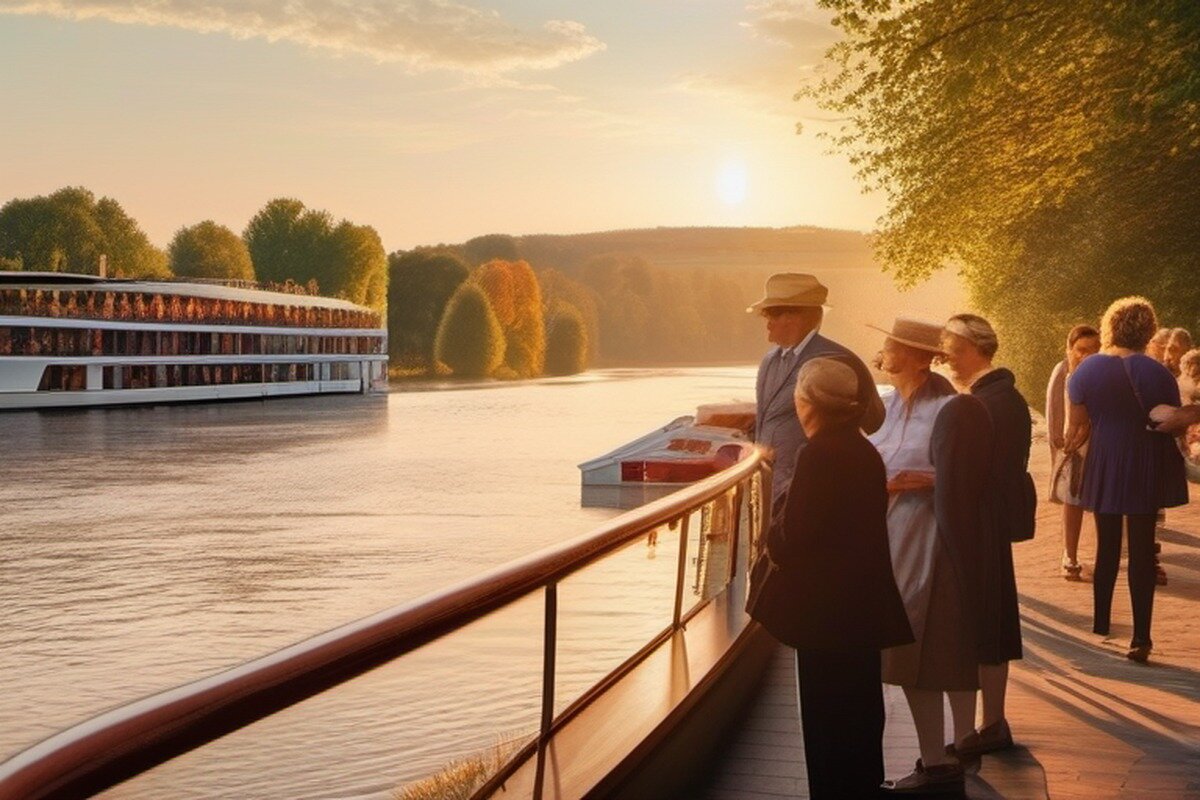
Trafalgar’s river cruise campaign shows why storytelling is becoming part of cruise life
Trafalgar has launched its first major river cruise campaign after strong first-year demand for its European sailings. The message is less about hardware and more about local perspective, guided discovery and the feeling that a river cruise should unfold like a story rather than a simple itinerary.
River cruising sells a different kind of onboard rhythm
Ocean cruising often talks about ships, entertainment and private destinations. River cruising tends to sell proximity: towns close outside the window, guides waiting ashore and days that feel stitched into the landscape. Cruise Industry News reported on June 26, 2026 that Trafalgar is launching its first major river cruise brand campaign, “Sail A Great Story.”
The campaign is aimed at emotion, not only product awareness
The campaign runs from June through September 2026 and is designed to shift attention from simply introducing the product to showing immersive experiences and authentic local perspectives. That is a telling move. Once travelers know a brand has river ships, the next question is what the journey feels like.
Trafalgar is using its tour identity at sea
Trafalgar is already known for guided land travel, so river cruising gives it a natural bridge. The brand can lean on storytelling, local hosts, planned experiences and a sense of curated discovery rather than trying to compete only on ship amenities.
First-year demand gives the campaign context
The push follows what Trafalgar described as strong first-year demand on inaugural European river sailings aboard Trafalgar Reverie and Trafalgar Verity. That matters because it suggests the company is not only testing a niche add-on, but trying to build a recognizable river cruise identity.
The passenger experience is more intimate
On a river ship, the day can feel less divided between “onboard” and “ashore.” A village, vineyard, cathedral or market may be visible from the deck before guests ever disembark. That closeness makes storytelling especially powerful because the setting is constantly present.
Travel advisors are part of the strategy
Trafalgar’s comments also point to travel advisors as a key audience. River cruising can be harder to compare than a standard seven-night ocean cruise because inclusions, excursions, pace and local access vary widely. Advisors can help explain those differences to travelers entering the category for the first time.
For guests, the lesson is to look beyond the brochure route
Two river cruises can visit similar regions and still feel very different. The guide style, evening pacing, included experiences, dining tone and how much free time is protected all shape the memory. A good river cruise is not just a sequence of ports; it is the way those places are interpreted.
The cruise-life takeaway
Trafalgar’s campaign reflects a wider trend: cruise lines are selling meaning as much as movement. For travelers who want the ship to become a lens on Europe rather than a floating hotel, storytelling is not decoration. It is part of the product.