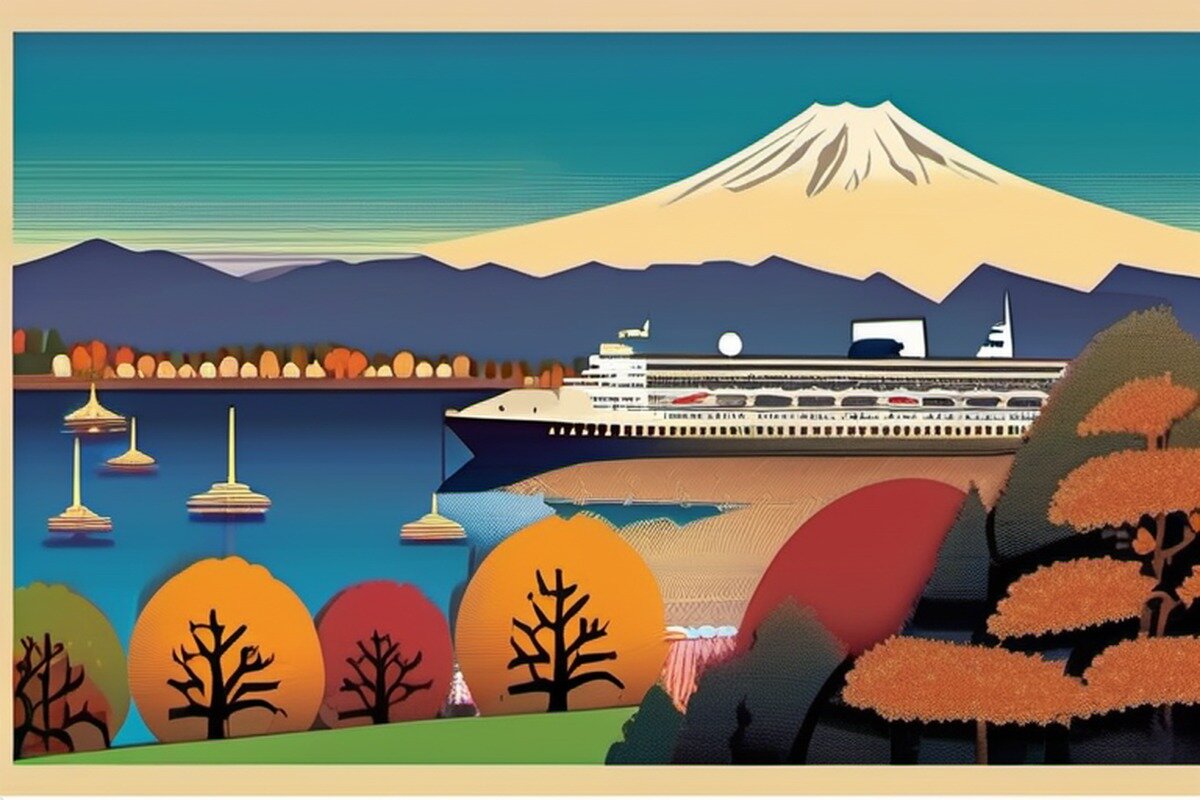
For a Japan cruise, the ship may matter less than the days you get ashore
Japan cruises reward a different kind of planning. The brand still shapes the food, cabin and atmosphere, but the best trip is usually decided by ports, overnight stays, season and how much time you have to explore once the gangway opens.
Japan changes the usual cruise-shopping question
Many travelers begin by asking which cruise line is best for Japan. That is understandable, but it may be the wrong first question. Emma Cruises, after sailing Japan with Norwegian Cruise Line, Princess Cruises and Royal Caribbean, argues that the cruise line often matters less than the itinerary itself. In Japan, the destination usually does the heavy lifting.
This is not a private-island style cruise
Caribbean cruises can revolve around beach days, private destinations and the ship as a floating resort. Japan feels different. Port days tend to be longer, sightseeing is more intensive, and travelers are often focused on trains, temples, food markets, castles and city neighborhoods. After a full day around Tokyo, Kyoto or a smaller coastal city, many guests are not looking for another six hours of onboard stimulation. They want dinner, a shower and sleep.
The cruise line still matters, just in a narrower way
Brand choice does still affect the onboard mood. Norwegian brings relaxed dining and a flexible rhythm. Princess has long experience with Japan itineraries and a more traditional shipboard style. Royal Caribbean, especially on a ship such as Spectrum of the Seas, offers more resort-at-sea energy and family activities. Those differences matter if you already know what kind of onboard atmosphere suits you.
But itinerary quality can beat shiny hardware
The key lesson is that a smaller or older ship with an excellent route can beat a newer ship visiting weaker ports. In Japan, some ports put you close to the experience you came for; others require long transfers or expensive excursions. Overnight stays in Tokyo or Osaka can completely change the trip because they let guests see the city after dark, recover from long days and avoid compressing everything into one rushed visit.
Season changes the whole emotional texture
Timing is another major variable. Cherry blossom season, typically from late March to mid-April, is the obvious dream window and also one of the most popular. Autumn foliage, from mid-September to the end of October, can be just as rewarding for travelers who want color, cooler conditions and a slightly different atmosphere. A Japan cruise is not only a route on a map; it is a seasonal experience.
Sea days need a different calculation
On some cruises, sea days are the point. In Japan, too many of them can feel like missed opportunity because there is so much to do ashore. That does not mean every itinerary should be relentless. Japan can be exhausting, and a recovery day between heavy sightseeing stops can be welcome. The smart balance is enough time to breathe without wasting the reason you flew across the world.
Independent exploring is more realistic than some expect
Japan’s reputation for safety and public transport makes independent exploration possible for many cruisers who might normally default to ship tours. That does not eliminate the need for planning, especially when ports sit far from major attractions. But it does mean passengers should research trains, walking routes and realistic return times before assuming every good day ashore must be packaged by the cruise line.
The practical takeaway is simple
Choose the cruise line you can live happily with, but choose the itinerary you can remember. For Japan, the best voyage is usually the one with stronger ports, longer stays, useful overnights, good timing and manageable logistics. The ship frames the holiday. Japan itself should be the main event.