Ritz-Carlton’s Luminara brings another luxury player into Alaska’s record cruise season
The Ritz-Carlton Yacht Collection has opened its first Alaska season with Luminara based in Whittier and Vancouver. The 456-passenger yacht joins a unusually busy 2026 market where new luxury brands are trying to make Alaska feel more intimate, not only larger.
A luxury yacht has joined Alaska’s crowded summer story
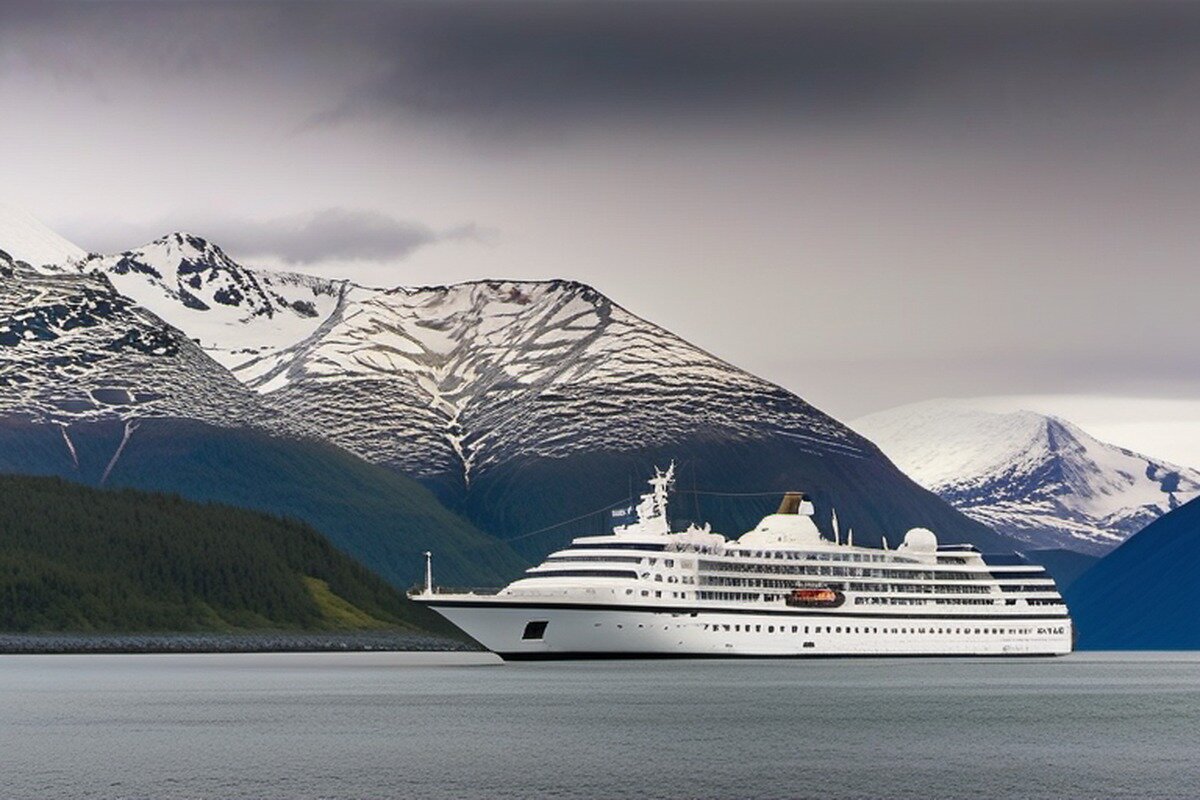
Alaska’s 2026 cruise season is not only about more passengers and bigger deployment. It is also about a different kind of product arriving in the region. The Ritz-Carlton Yacht Collection’s Luminara has reached Whittier to begin the brand’s first Alaska season, adding a small luxury vessel to a market usually described through mainstream capacity and port pressure.
Luminara reached Whittier after crossing the Pacific
According to Cruise Industry News, the 456-passenger Luminara docked at Whittier on May 28, 2026 after completing a repositioning voyage from Japan. Before that arrival, the 2025-built ship had operated its first trans-Pacific cruise from Yokohama in mid-May, with calls including Aomori, Hakodate, Dutch Harbor and Kodiak. That route gave the ship a natural bridge from its Asia program into Alaska rather than a simple redeployment note.
The first regional sailing is built around depth rather than speed
For its opening Alaska voyage, Luminara is sailing an 11-night itinerary to eight destinations before finishing in Vancouver. The reported route highlights Valdez, Icy Strait Point and Haines, along with Petersburg, Sitka, Klawock and Ketchikan. Guests are also scheduled for scenic cruising through the Inside Passage and glacier areas, which is exactly the kind of itinerary structure luxury lines use to sell Alaska as a slower, more curated experience.
The season runs beyond a single symbolic arrival
This is not a one-off call designed only for publicity. Cruise Industry News says Luminara is scheduled for 12 additional Alaska cruises through late September. Sailing between Vancouver and Whittier, the ship will operate seven- to 11-night one-way voyages visiting 11 ports. Some itineraries include extended port stays, while glacier viewing is expected to feature Hubbard Glacier and Sawyer Glacier.
Ritz-Carlton is entering at a moment of unusual competition
The timing matters. Ritz-Carlton is one of three cruise brands debuting in Alaska for summer 2026, alongside MSC and Virgin Voyages. At the same time, established operators are adding capacity or returning after absences; Azamara, for example, came back to Alaska this May after a seven-year hiatus. That makes Luminara part of a wider reset in how cruise companies are approaching one of North America’s strongest seasonal markets.
Small luxury ships change the Alaska pitch
A 456-passenger yacht cannot move the same number of travelers as a large contemporary cruise ship, but that is precisely the point. The marketing promise is not scale; it is access, space and personalization. Ritz-Carlton says the season includes personalized shore excursions, giving guests more room to shape the trip around wildlife, culture, scenery or independent exploration rather than only following the biggest group flow.
Alaska ports may welcome the spending but watch the pressure
For destinations, more brands can mean more economic opportunity, especially when luxury guests spend heavily ashore. But Alaska communities are also increasingly aware of crowding, infrastructure and the tone of tourism. Smaller ships can fit into that conversation differently from mega-ships, yet they still contribute to the growing complexity of managing a record season. The challenge is not simply whether more ships come, but how each call behaves on the ground.
The larger signal is clear
Luminara’s arrival shows that Alaska is no longer being treated as a standard bucket-list route reserved for traditional cruise deployment. It is becoming a stage where luxury, resort-style, mainstream and lifestyle brands all want a visible presence. For travelers, that means more choice. For the industry, it means Alaska is valuable enough that even brands built around scarcity and refinement now want a full summer in the north.